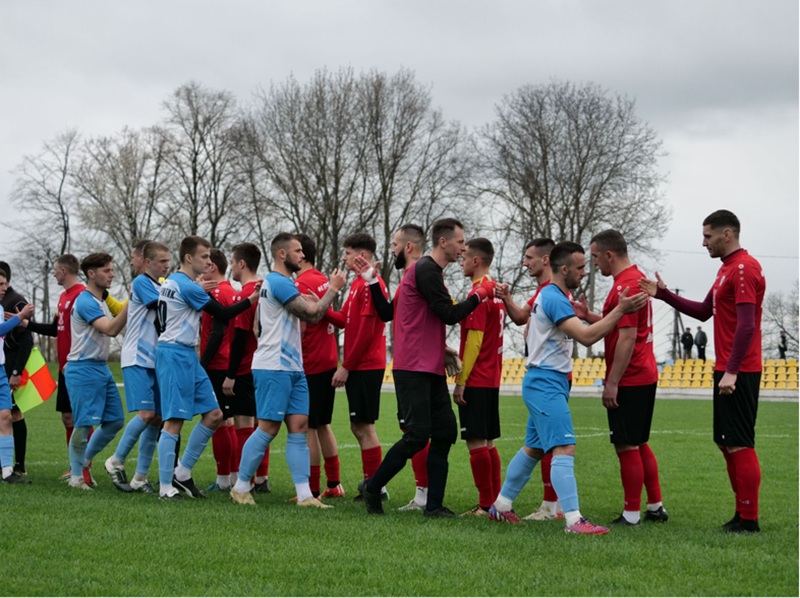
A stadium roars. Thousands of strangers get up in unison, arms raised, voices cracking on the same second. At this one moment, there are no better or worse test takers, no more or less successful businessmen. All they care about is the ball getting across the line. This is the unobtrusive enchantment of sports, making a room of strangers feel more like a family.
A Shared Language Without Words
Sports need no translation! A goal can be a goal in Tokyo, Lagos or Buenos Aires. It doesn’t matter what language you speak to celebrate with someone, a high-five is enough.
It is for this reason that sport is one of the few universal social cements. Research suggests that more than 3.5 billion people watched the 2022 FIFA World Cup at least once – the equivalent of nearly half the world’s population. That is the only thing that brings people together like a political speech, a movie, or a single event.
Neighborhood Clubs and Local Loyalty
Not only did it have global tournaments, but it had local clubs long before they did. Community begins with a small town soccer team, a weekend cricket league, a Sunday pick up game of basketball at the park down the street.
Attendees come in weekly, not only to play, but to see familiar faces! Teammates turn into friends, and, over time, they turn into more like extended family. Children learn to cheer on the sidelines from their parents and join them later. A loop that spans the generations in neighborhoods.
Digital Spaces Keep the Conversation Going
It didn’t end at the stadium gates with Fandom. Now fans debate the referee’s decisions, post highlights and organise meet-ups after the game. Online places have merely taken the stands to everyone’s pocket.
This has been even easier because there are platforms that facilitate quick and casual conversations. During a match, many fans use apps such as callmechat.com to continue chatting in their group even when the action begins, before a big game, and even to watch a game with those they’ve never met in real life. This once-in-person experience now takes place on the instant, no matter the time or the timezone.
Why Group Sport Feels Good for the Mind
There’s something much more to it than fun. The World Health Organization (WHO) states that there is a significant reduction in the risk of depression and anxiety with regular exercise. Make that an activity social and the benefit increases.
Team membership helps individuals feel compelled to attend even on days when it is difficult. One player is counting on another to be at practice. You won’t get away with not being there. Strangely enough, there might be nothing stronger than that little sense of responsibility to keep a person mentally steady.
Sport as a Bridge Between Different Worlds
Locker rooms are not a group of uniformed individuals. No different incomes, different religions or different accents — all of that doesn’t matter when the game begins. A rich kid and a poor kid can be on the same five-a-side team with the ball bouncing back and forth between them.
This is rare. There is scarcely any other place where individuals of very different backgrounds collaborate towards one shared objective. Sport does it naturally, without much effort.
Refugee and Integration Programs
In several cities, there are refugee and new immigrant football programs. It’s as easy as that: Provide people with a ball, a field and a team, and friendships come before any language class ever could. Coaches frequently state that “the sport” is the excuse and the outcome is “belonging.
Kids, Teams, and the First Lessons in Community
Youth sports quietly teach children lessons that classrooms sometimes can’t. Losing gracefully. Passing the ball instead of hogging it. Showing up on time because the team depends on it.
Parents form their own mini-community too, standing on the same sidelines every weekend, trading snacks and small talk. Many lifelong adult friendships trace back to nothing more than two kids being on the same under-10 team years ago.
The Global Stage: When Millions Feel the Same Emotion
There’s something peculiar during the Olympics every 4 years. Those who hadn’t known the names of a single athlete a month ago now know all the results, all the medals and all the dramatic finishes. An entire country breathes together for about 2 weeks.
This is a joint experience of emotion, which is not found much these days. There are few things that can make everyone feel joy or heartbreak at the same time, a last second score, a photo finish or an unexpected victory for an underdog.
Friendships That Outlast the Final Score
If you ask any adult about who their closest friends are, there’s a pretty good bet that some of them have been introduced to them through sport — in a college team, a running club, a fantasy league that became a chatterbox that refuses to end. These friendships are lasting, because they are not just formed through conversation.
Even when it comes to competition, there are bonds. Those who enjoy the other team respect each other more than those whose team they haven’t seen. What it turns out is that competition itself has an odd sort of relationship.
Conclusion
Sports is not just a form of entertainment. They develop routines of attendance, caring, and belonging. It’s a local five-a-side game, a worldwide tournament seen by billions, or a late night group chat on if someone missed a penalty – everywhere, people meet through the game and for some reason the bond lasts long after the scoreboard fades from view.